












Museo Regional de Tlaxcala

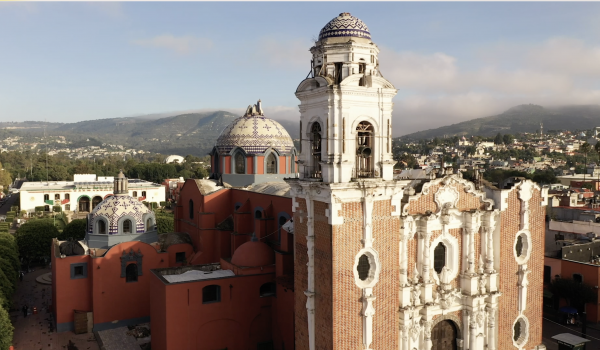
An impressive construction notable for the church’s remarkable Mudejar-style coffered ceiling made with gilded wood. The museum preserves the pre-Hispanic and viceregal history of Tlaxcala—a vital ally for the Conquistadors—along with displays of nineteenth and twentieth-century luxury objects and tools.
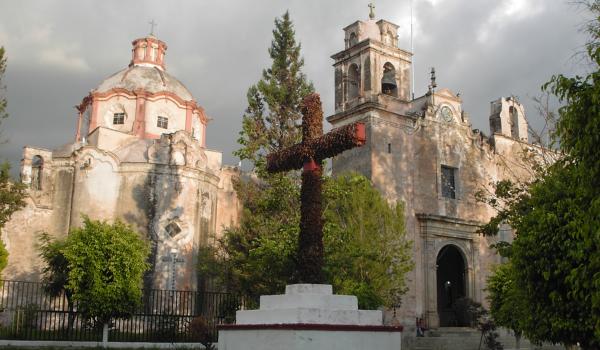
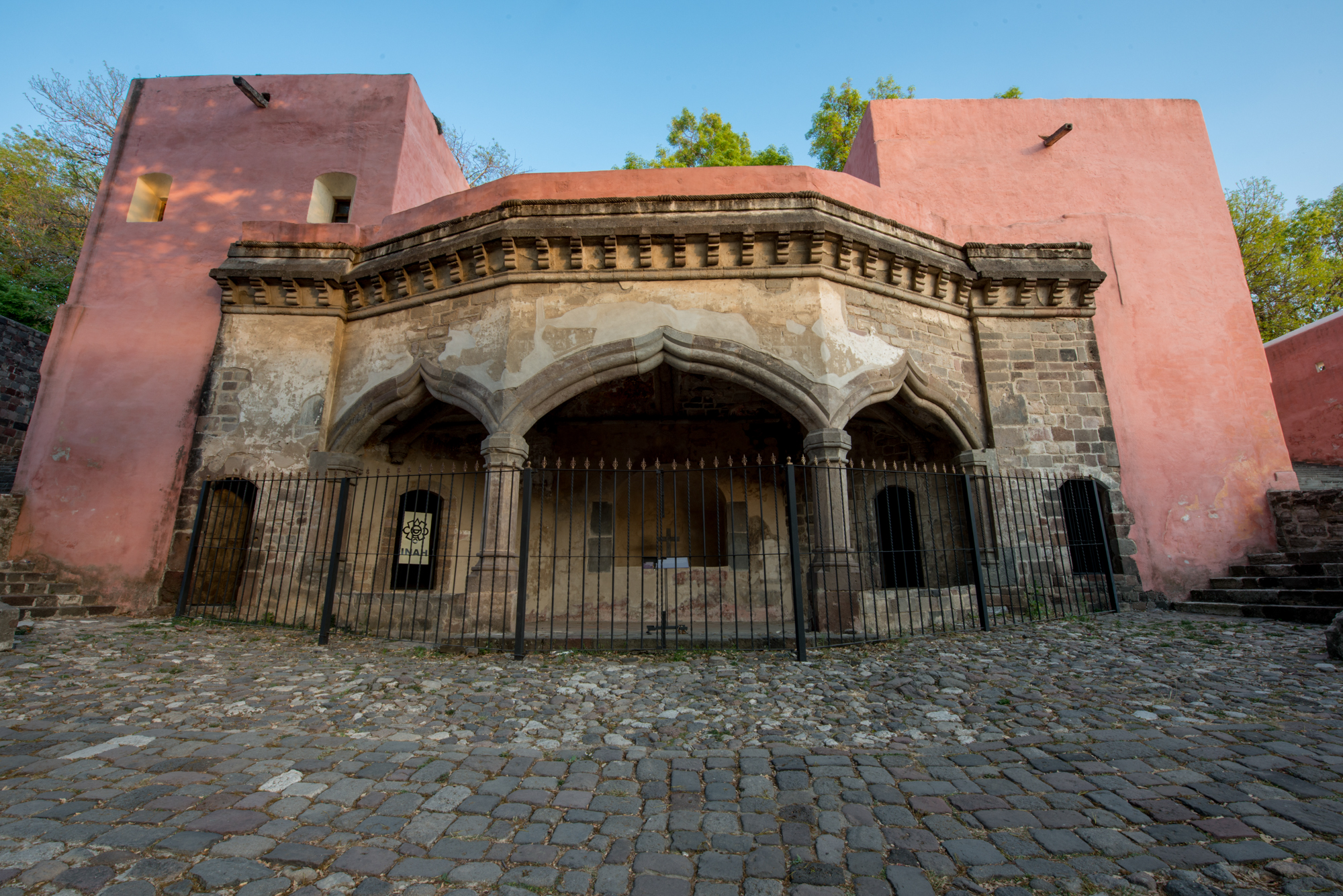
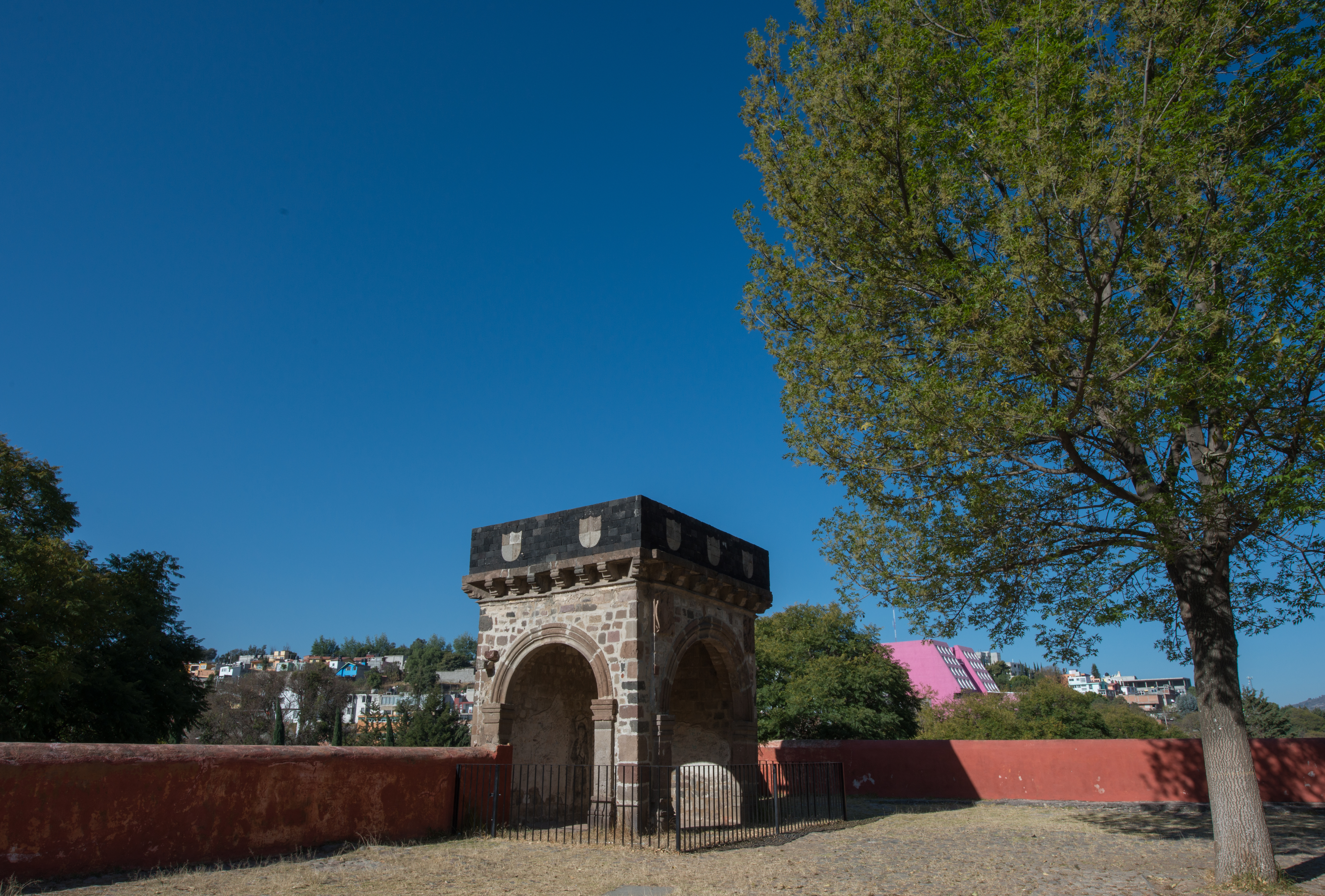
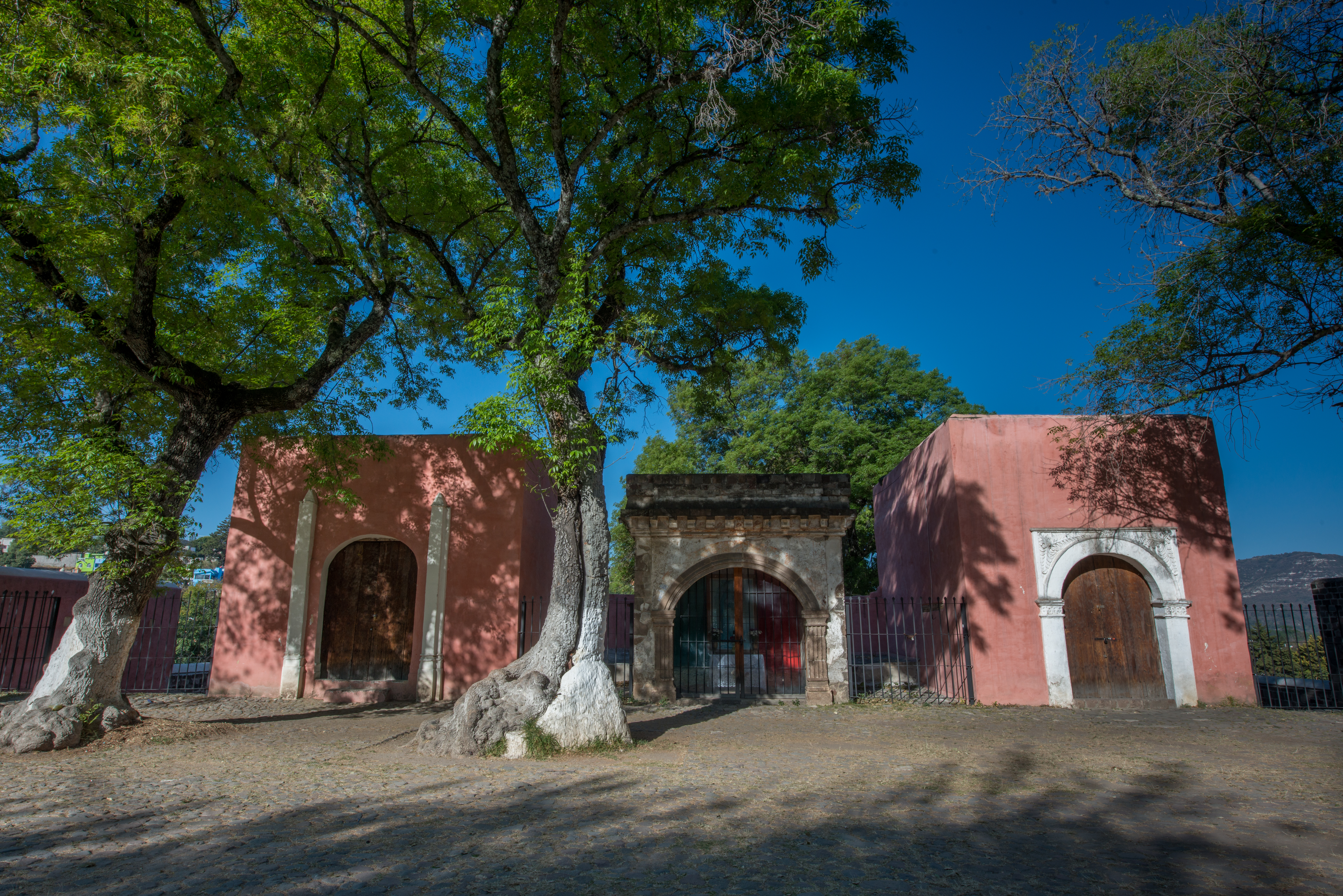
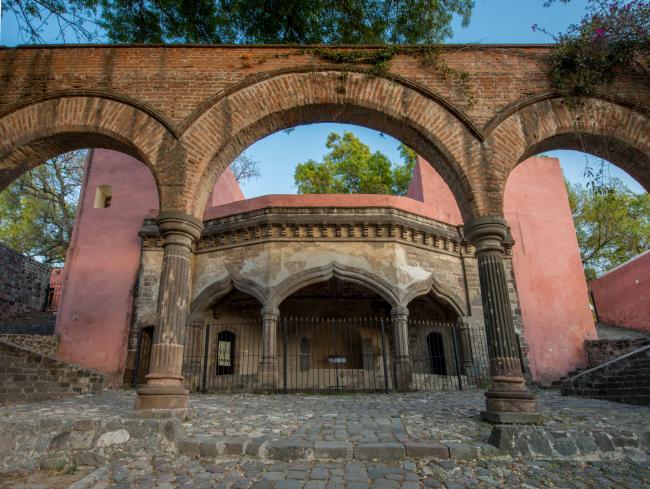
The Ex Convento de Nuestra Señora de la Asunción, a former monastery built by the Franciscans using an indigenous labor force, was inaugurated as a museum in 1981. The church’s interior is unique in Mexico for its Mudejar-style coffered ceiling made of carved wood with gilded details. Founded in 1528, it was the third monastery built by the Spaniards after their arrival: the first and second were in Mexico and Texcoco; only the one in Tlaxcala remains. It has an atrium, low and high cloisters, “capillas posas” (simple chapel structures designed to cater to large congregations, positioned outside the main religious buildings in New Spain) and outdoor chapels, a central patio and a garden.
The building has been put to many different uses throughout its history: after being a monastery it was converted into a prison, a college, a military barracks, INAH’s regional office, and even a home for the workers involved in its continuous restoration. The museum’s history can be traced back to the times of Próspero Cahuantzi, governor of Tlaxcala during the regime of Porfirio Díaz, when a museum annex was set up next door to the Colegio de Niñas, which disappeared at the outbreak of the 1910 Revolution. After intermittent attempts to create a regional museum, anthropologist Yolanda Ramos Galicia was commissioned in 1978 by the INAH Puebla-Tlaxcala Center to carry out the project.
The museum was finally inaugurated in 1981 in the Ex Convento de Nuestra Señora de la Asunción. After repair work being carried out over the years, a decision was taken to undertake a complete restoration which included a structural survey, an electrical refit, and measures to damp-proof the building and ensure the drainage system was working. It reopened on December 19, 2015.
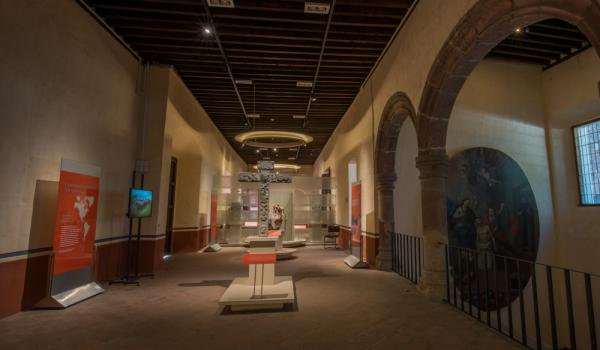
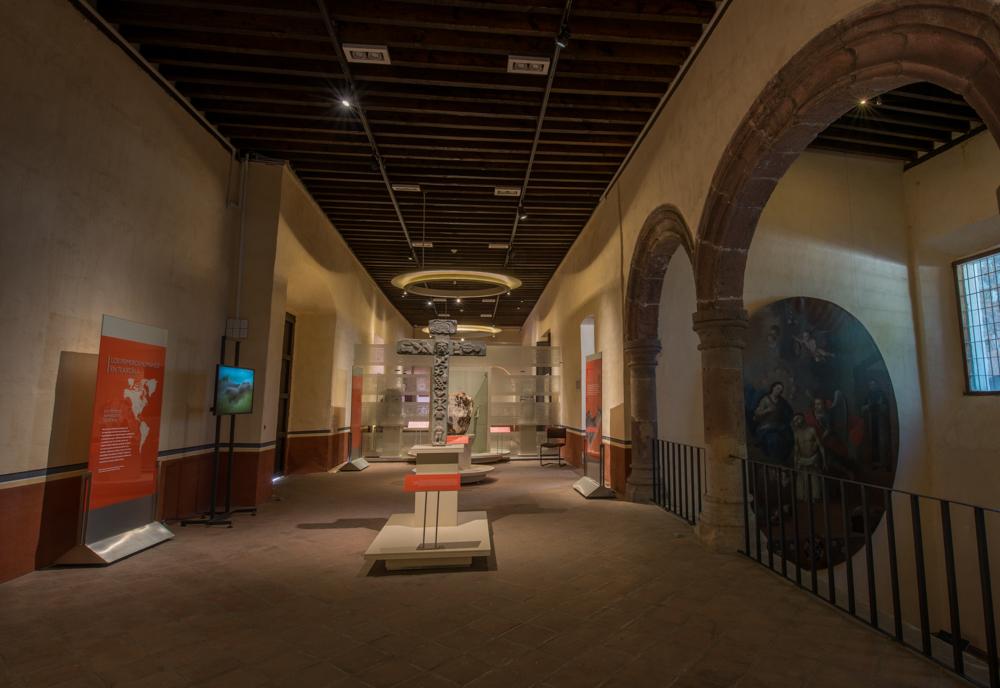
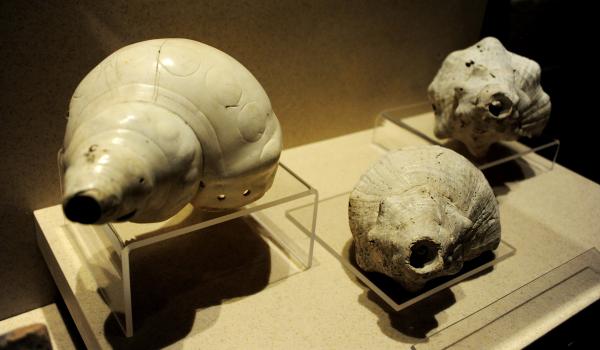
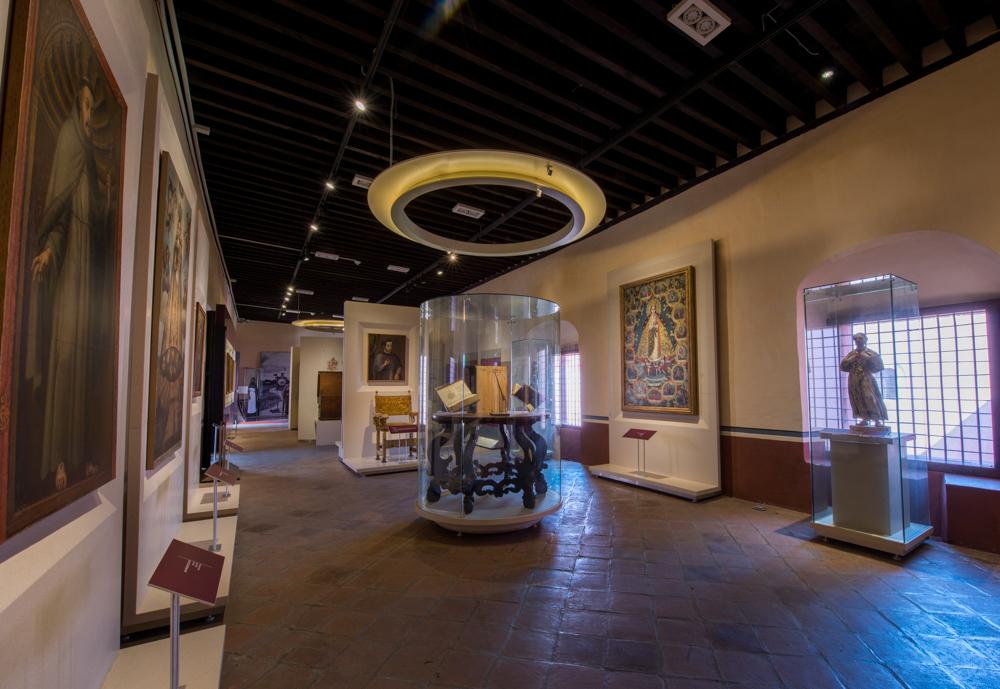
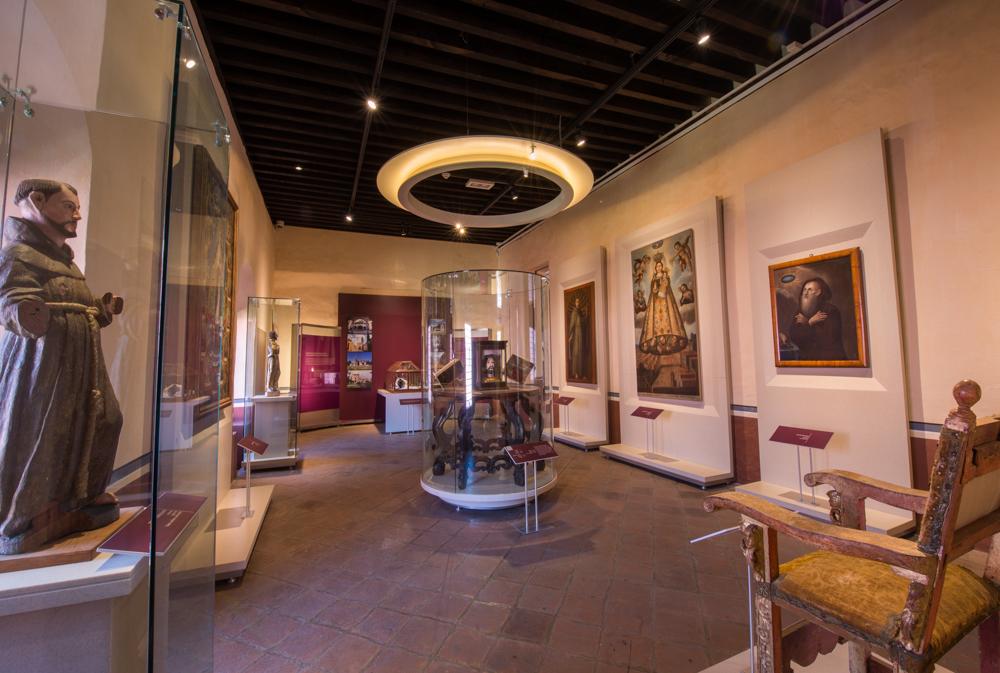
The permanent exhibition has 12 main themes: one on paleontology in Tlaxcala, four on the pre-Hispanic period, five on the viceregal period, one on the nineteenth century, and another on the Mexican Revolution. The display includes 200 items with their respective information panels: ancient bone remains, pottery, stone sculptures, obsidian knives, carved and decorated shells, paintings, books, furniture, documents and photographs. The collection totals some 5,000 objects that, along with the recent findings such as those from Quimicho and finely crafted sixteenth and seventeenth-century wall tiles, are rotated; there are also modern, interactive exhibits.

Paleontology in Tlaxcala
The First Humans in TlaxcalaOver 15,000 years ago, one of the largest human migrations into the Americas began. Descendants of these early migrants gradually reached the region of Tlaxcala about 11,000 years ago. There, they encountered a cold, humid, and hostile environment, yet managed to survive…
Paleontology in Tlaxcala
The First Humans in Tlaxcala
Over 15,000 years ago, one of the largest human migrations into the Americas began. Descendants of these early migrants gradually reached the region of Tlaxcala about 11,000 years ago. There, they encountered a cold, humid, and hostile environment, yet managed to survive by gathering plants and hunting large animals that are now extinct, such as camelids, mastodons, horses, and bison. The oldest archaeological traces of their presence in Puebla and Tlaxcala include a Clovis point and remains of plants and animals they consumed in caves and rock shelters.
Climate Change and Extinctions
Intense climate change roughly 12,000 years ago led to the extinction of more than three-quarters of the megafauna. Decreasing humidity and a shift in vegetation, combined with disease and human overexploitation, caused the rapid disappearance of large mammals. As a result, human groups had to turn to other resources such as fruits, seeds, and small animals—an adaptation that would eventually lead to plant domestication and the birth of agriculture between 7,000 and 5,000 years ago.
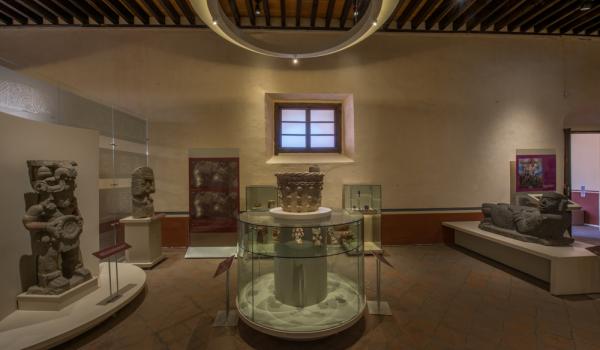
Late Postclassic Period
Chichimeca MigrationsSeveral northern Chichimeca groups arrived in the Puebla-Tlaxcala valley approximately 800 to 900 years ago. Among them were the first Tlaxcaltecs, who followed an ideology of conquest, were highly warlike, and acted under the protection of their god, Camaxtli.They settled…
Late Postclassic Period
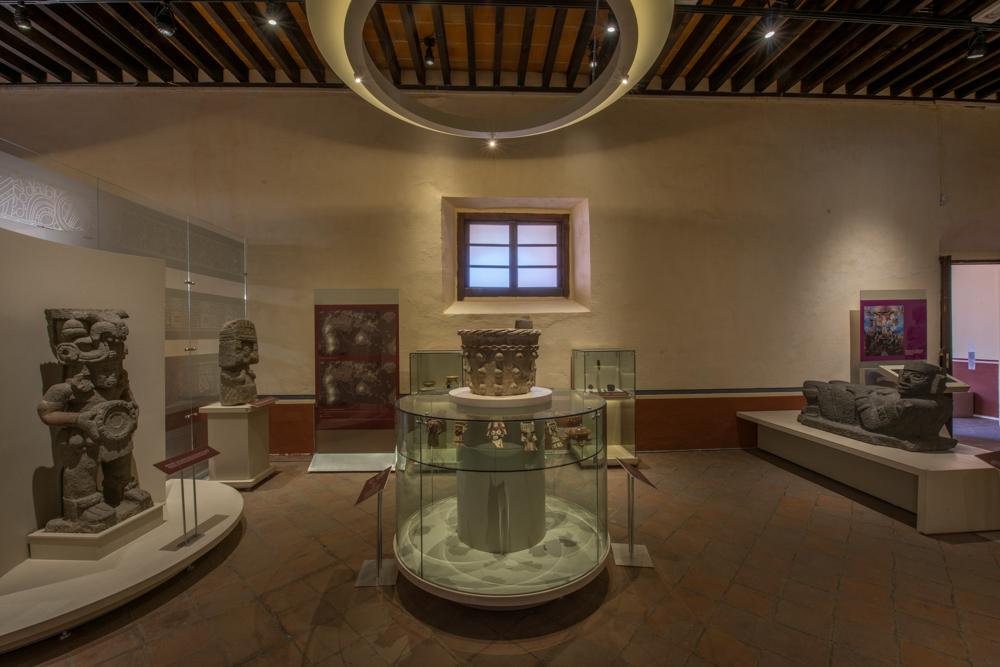

Chichimeca Migrations
Several northern Chichimeca groups arrived in the Puebla-Tlaxcala valley approximately 800 to 900 years ago. Among them were the first Tlaxcaltecs, who followed an ideology of conquest, were highly warlike, and acted under the protection of their god, Camaxtli.
They settled primarily in Tepeticpac, a mountainous area that was easy to defend, where they founded their first "altepetl" (plural "altepemeh"), a Nahuatl term meaning “indigenous town,” which the Spanish later adopted. This site became the predecessor of the province of Tlaxcallan.
Fierce Rivals: Tlaxcaltecs and Mexicas
The Tlaxcaltecs were frequently at war with their neighbors, especially the Mexica from Tenochtitlan, who were expanding their empire into the Puebla-Tlaxcala region. In their attempts to conquer Tlaxcallan, the Mexica imposed an economic blockade that lasted for nearly 60 years, up until the arrival of the Spanish in 1519.
Tlaxcaltec Government and Confederation
When Spanish forces reached Tlaxcallan, they encountered a vibrant and well-organized society formed by a confederation of more than twenty multiethnic "altepemeh". Their government was collective—there was no supreme ruler. Leadership was shared among the "teuhctli", the principal lords of the "teccalli", or noble houses of each "altepetl".
The Teccalli
The "teccalli", or noble house, was the central institution of political, economic, and social organization among the Tlaxcaltecs. Each was headed by a "teuhctli" (principal lord) and included nobles, "macehualtin" (commoners and tributaries), "teixhuihuan" (distant relatives), and "tlatlacotin" (slaves).
Sultepec-Tecoaque and the Spanish Caravan Sacrifice
Sultepec-Tecoaque was a town under the dominion of the Acolhua of Texcoco. In 1520, the local population intercepted a Spanish caravan and sacrificed its members during the Panquetzaliztli festival. This led to the place being called Tecoaque, meaning “place where they were eaten.” In retaliation, Hernán Cortés ordered that “the town where his people had been captured and sacrificed be destroyed and laid to waste.”
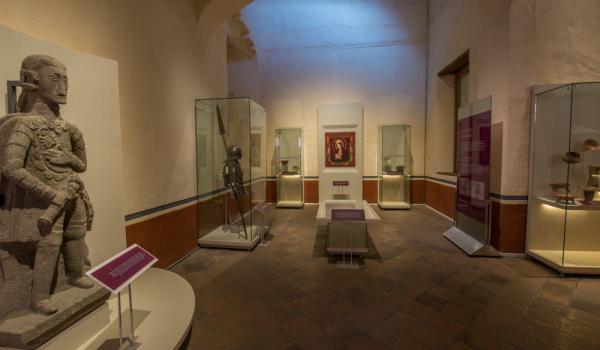
Contact with the Spanish
Tlaxcala and the AllianceThe initial encounters between the Spanish and the Tlaxcaltecs were violent, with neither side gaining a decisive advantage. Eventually, diplomacy prevailed and they forged a mutually beneficial alliance. The Tlaxcaltec lords accepted Christianity, and the Spanish offered…
Contact with the Spanish
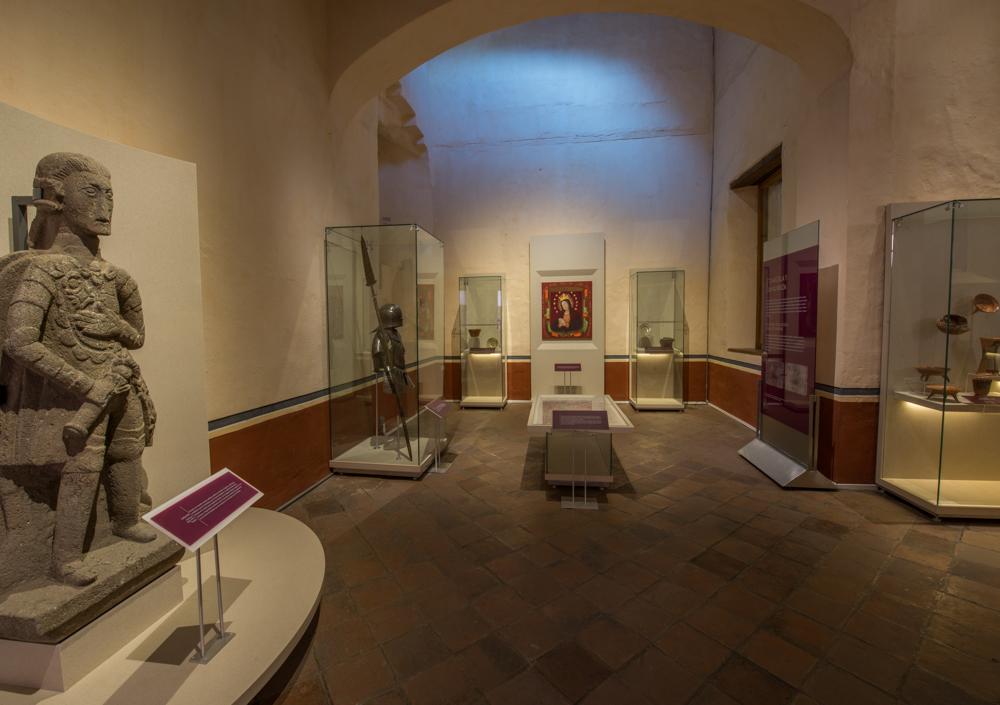
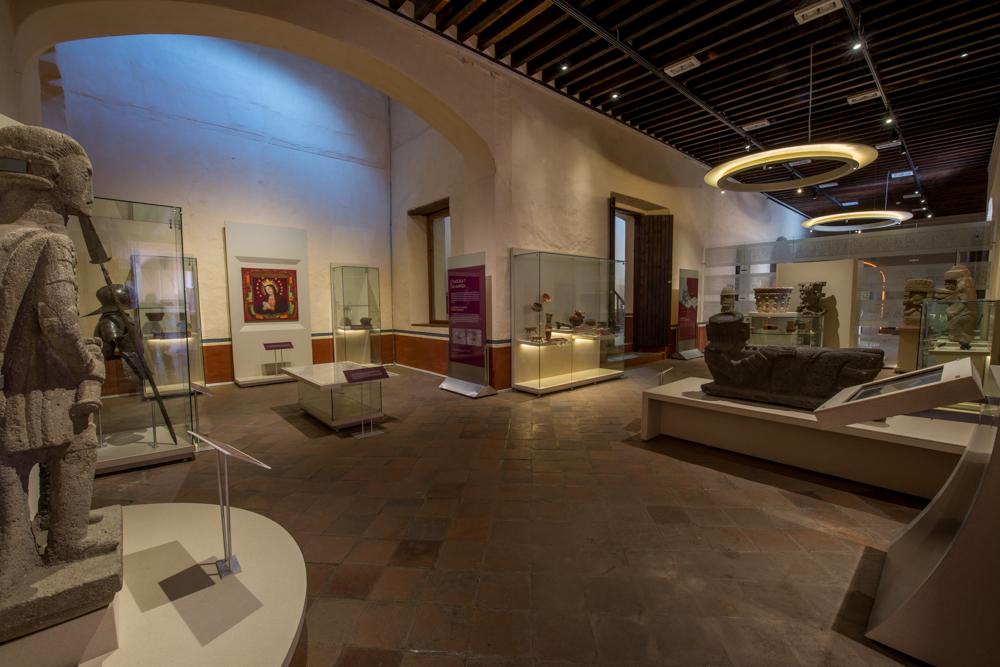

Tlaxcala and the Alliance
The initial encounters between the Spanish and the Tlaxcaltecs were violent, with neither side gaining a decisive advantage. Eventually, diplomacy prevailed and they forged a mutually beneficial alliance. The Tlaxcaltec lords accepted Christianity, and the Spanish offered the opportunity to jointly confront the empire that had long oppressed them—the Triple Alliance, composed of the city-states of Tenochtitlan, Texcoco, and Tlacopan.
The Tlaxcaltecs and the Spanish Conquest
The Tlaxcaltecs took part in the conquest of Mexico-Tenochtitlan and later accompanied the Spanish in campaigns against other Mesoamerican peoples. To win their support, the Spanish promised noble titles to their new allies. Historical documents like the "Lienzo" and the "Relación Geográfica de Tlaxcala" record the military aid provided by the Tlaxcaltecs and the many regions where they left both a physical and cultural legacy.
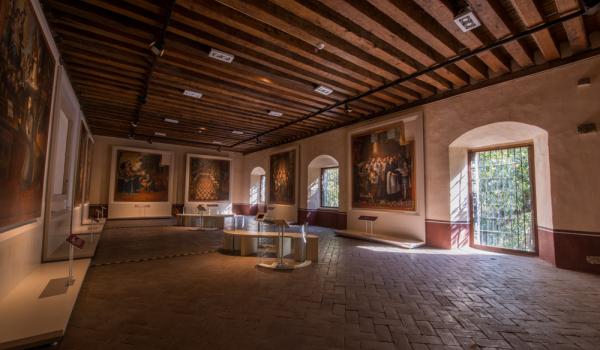
The Life of Saint Anthony of Padua
This series on the life of Saint Anthony of Padua was part of a collection of paintings used by the Franciscan friars who once inhabited the Convent of La Asunción. The artworks served to encourage members of the order to emulate the saint’s virtues.Anthony was a Portuguese preacher whose…
The Life of Saint Anthony of Padua
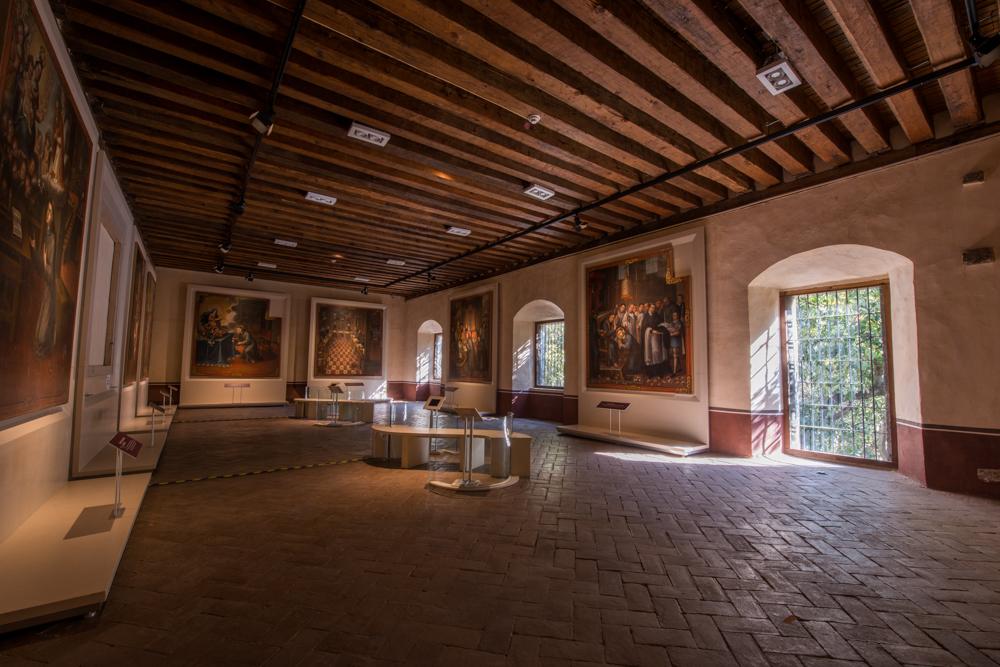
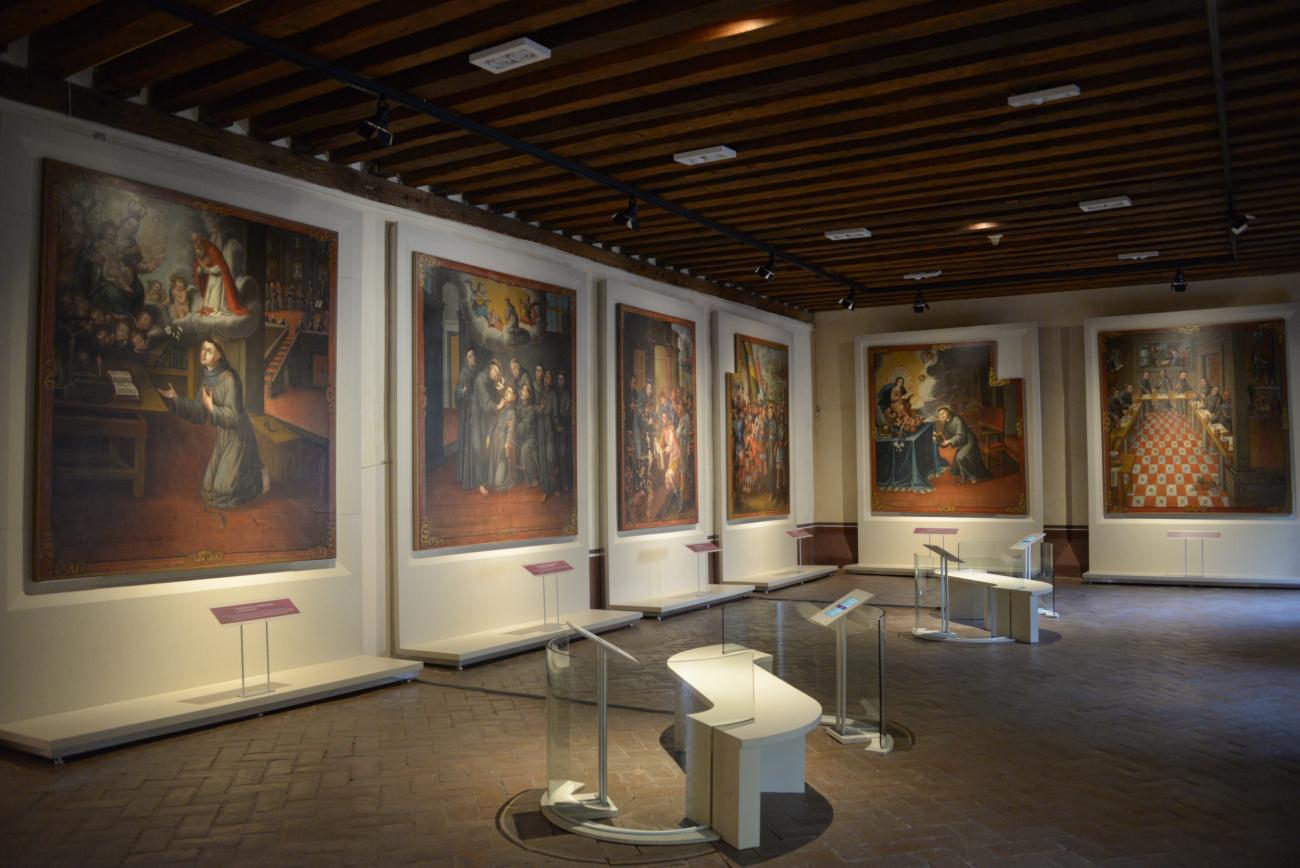

This series on the life of Saint Anthony of Padua was part of a collection of paintings used by the Franciscan friars who once inhabited the Convent of La Asunción. The artworks served to encourage members of the order to emulate the saint’s virtues.
Anthony was a Portuguese preacher whose theological training and calling led him to spread Christianity in Africa, parts of Italy, and France. His fame as a powerful orator spread, and after his death his tongue was removed and preserved as a relic in Padua, Italy.
He is typically depicted wearing a brown Franciscan habit with a cord and three knots symbolizing the vows of obedience, poverty, and chastity. He also appears with a book, representing his knowledge of the Scriptures; a flaming heart, symbolizing divine love; and a white lily, signifying purity. Additionally, he is often shown holding the Christ Child, whom, according to tradition, appeared to him during meditation.
In Catholicism, he is the patron saint of the poor and is invoked to help with memory and to find lost objects. He is also widely called upon in matters of love, and it is a common tradition to turn his image upside down to “encourage” him to act quickly.
Religious History
The Adoption of ChristianityAfter the conquest, the people of Tlaxcala embraced Christianity in their own way, integrating the Christian God as one more deity among their former “pagan” gods—seemingly with the approval of the friars overseeing their conversion. In some cases, this syncretism…
Religious History
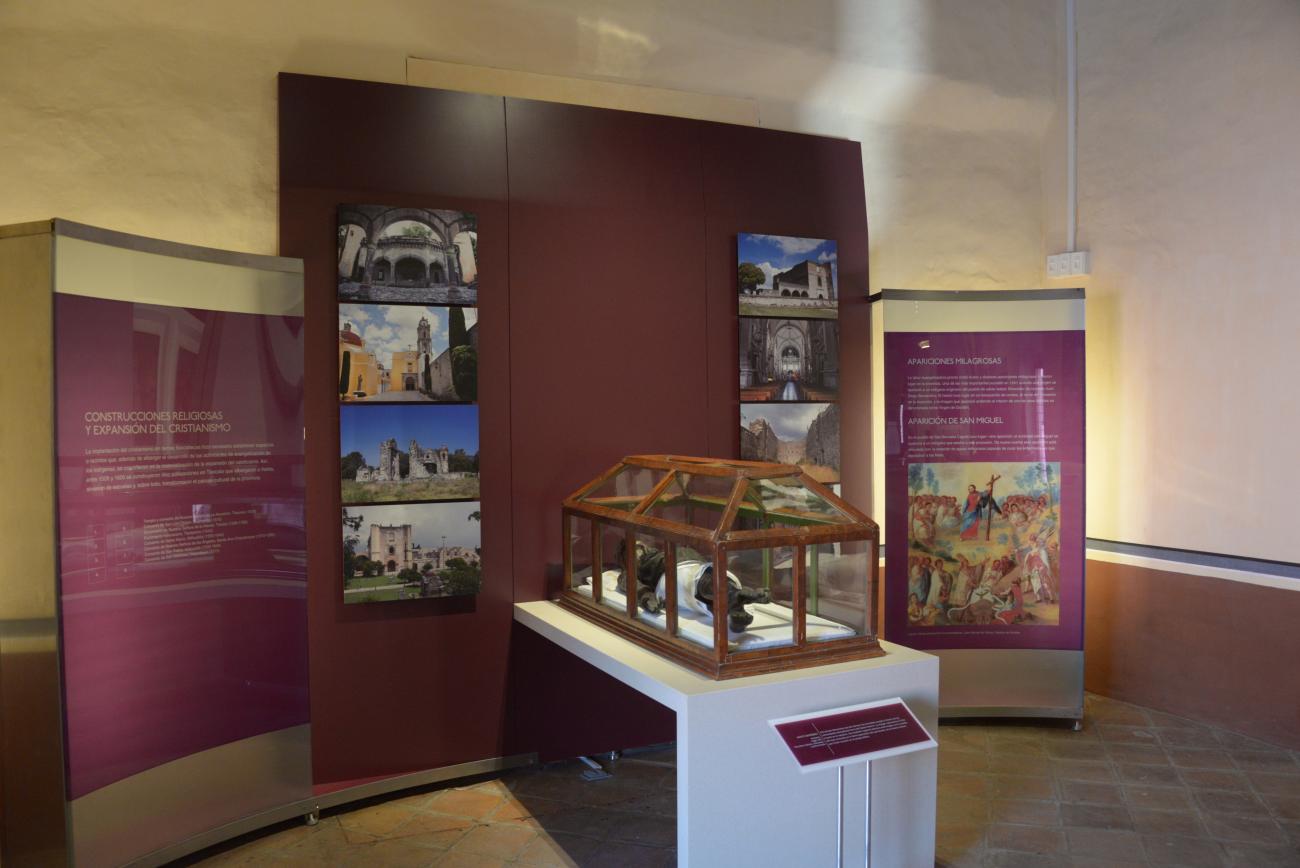



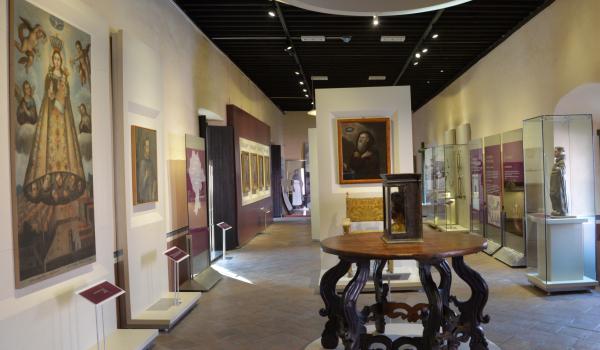
The Adoption of Christianity
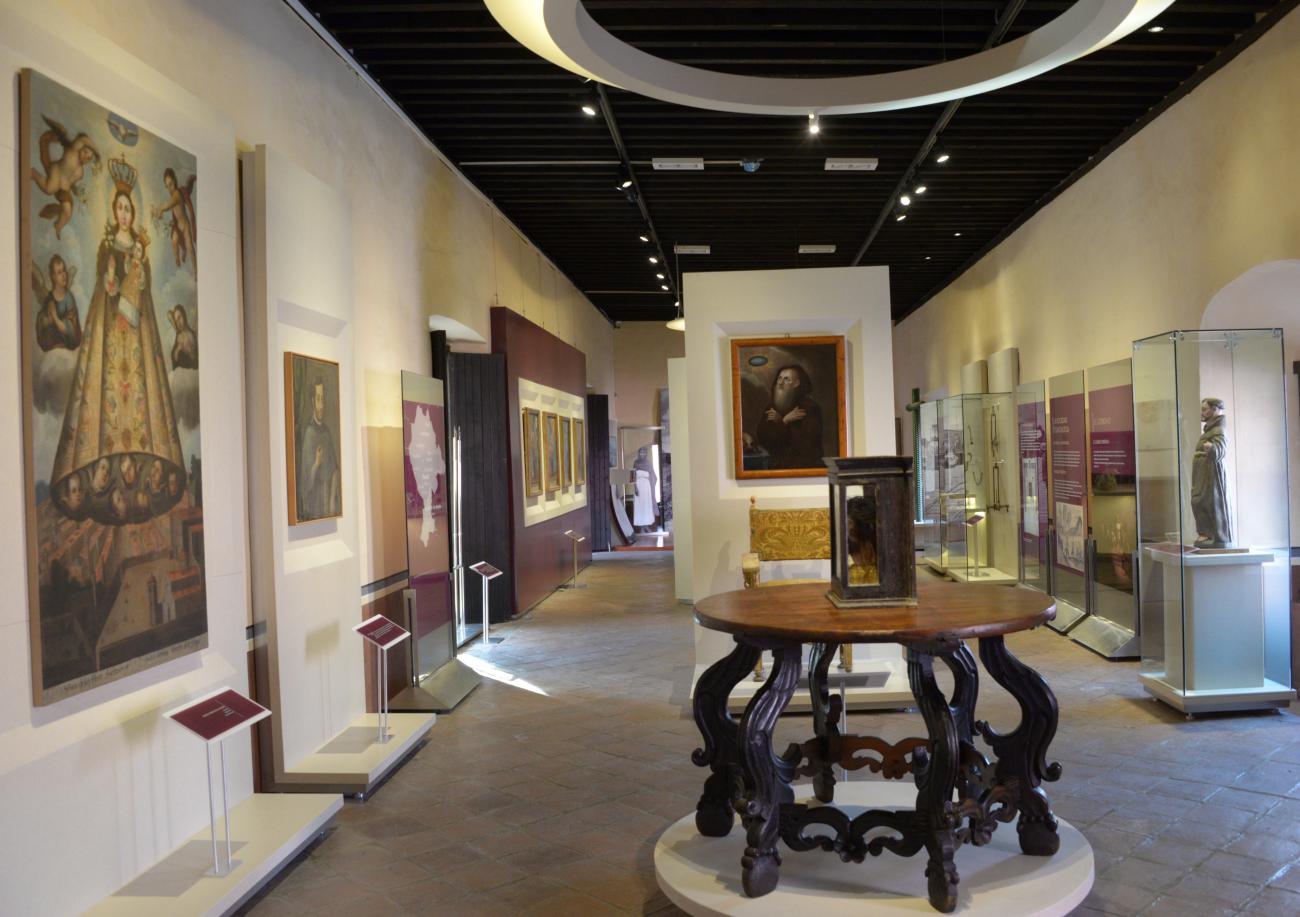
After the conquest, the people of Tlaxcala embraced Christianity in their own way, integrating the Christian God as one more deity among their former “pagan” gods—seemingly with the approval of the friars overseeing their conversion. In some cases, this syncretism encouraged the return of idolatrous practices, which led friars to punish the offenders, sometimes with the surprising support of the indigenous town councils.
Religious Buildings and the Spread of Christianity
The implantation of Christianity in Tlaxcala required the creation of physical spaces for evangelization. Between 1526 and 1600, ten religious buildings were constructed in the province. These structures housed friars, served as schools, and became symbols of the Catholic faith’s expansion, transforming the region’s cultural landscape.
19th Century
Colonization CampaignsMany of the military expeditions in which Tlaxcaltecs accompanied the Spanish ended with the founding of new settlements, such as Santa María Villa Alta in Oaxaca and Almolonga in Guatemala, as well as towns in Jalisco and Colima. In these places, the Tlaxcaltec warriors were…
19th Century

Colonization Campaigns
Many of the military expeditions in which Tlaxcaltecs accompanied the Spanish ended with the founding of new settlements, such as Santa María Villa Alta in Oaxaca and Almolonga in Guatemala, as well as towns in Jalisco and Colima. In these places, the Tlaxcaltec warriors were recognized as founders and brought their families with them. The "Lienzo de Tlaxcala" includes scenes of these military campaigns.
Settlements in the Gran Chichimeca
The discovery and exploitation of rich silver deposits in Zacatecas and Guanajuato prompted New Spanish authorities to develop a plan to protect the mines, trade routes, and caravans carrying the metal to the capital from Chichimeca attacks. In late 1590, Viceroy Luis de Velasco the Younger negotiated with the lords of the Tlaxcaltec council to send four hundred families to establish new settlements. An agreement was finally reached on March 14, 1591, with the Tlaxcaltec leaders securing a number of favorable conditions for those who undertook the journey.
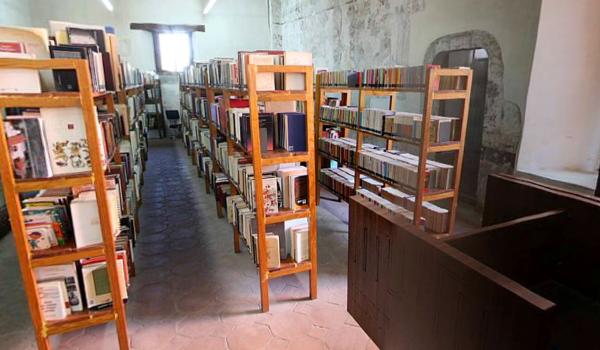
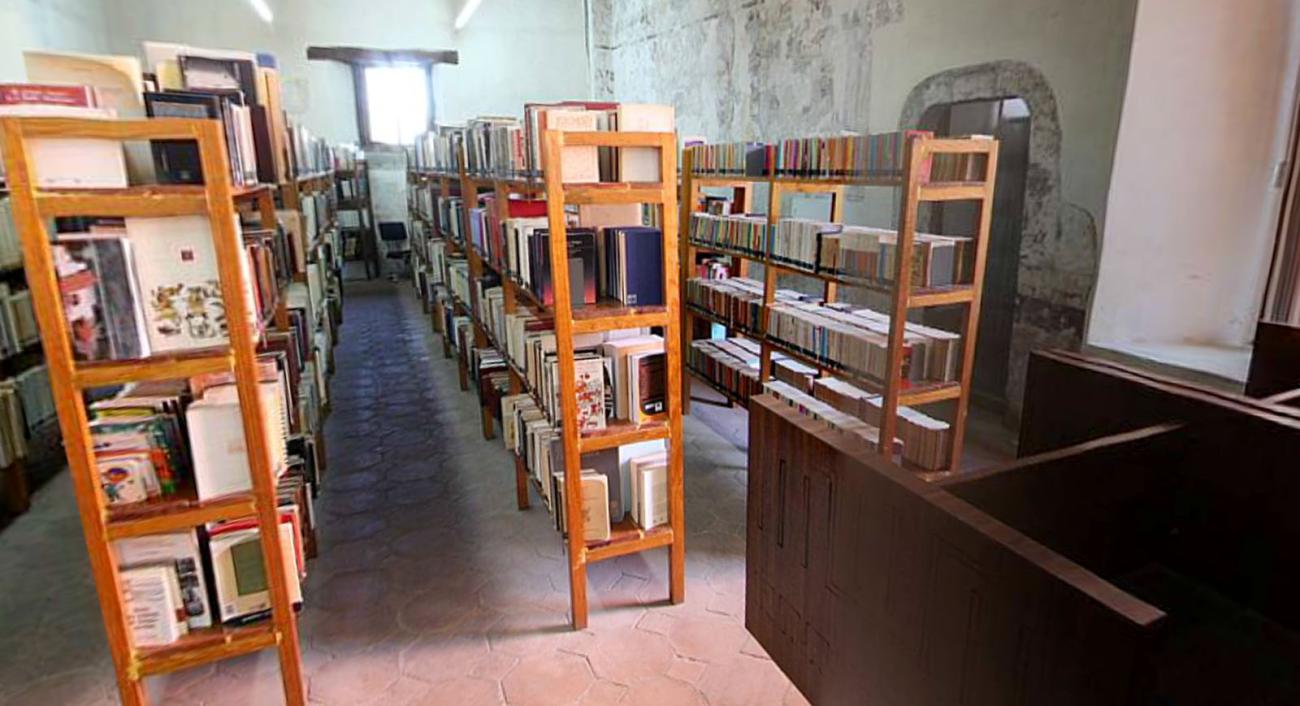
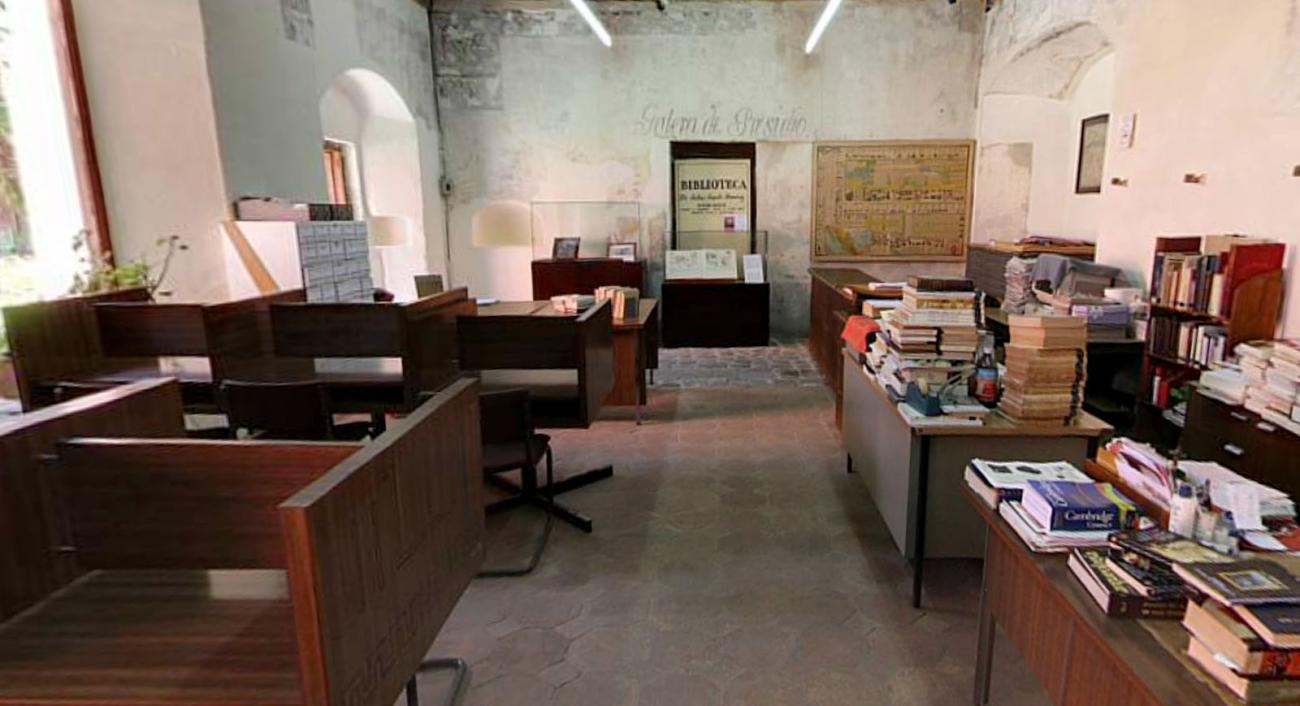
Andrés Angulo Library
This library specializes in the fields of anthropology and history, with a focus on the state of Tlaxcala. It also provides a clearer view of various mural paintings that serve as a historical testimony to the Franciscan period and the later uses of the building.



Upper Cloister
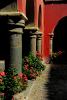
This area consists of hallways and columns. Some of its walls still bear graffiti or drawings—such as an image of Regiment 52—made by soldiers when the building functioned as a barracks in the late 19th century and during the revolutionary period.
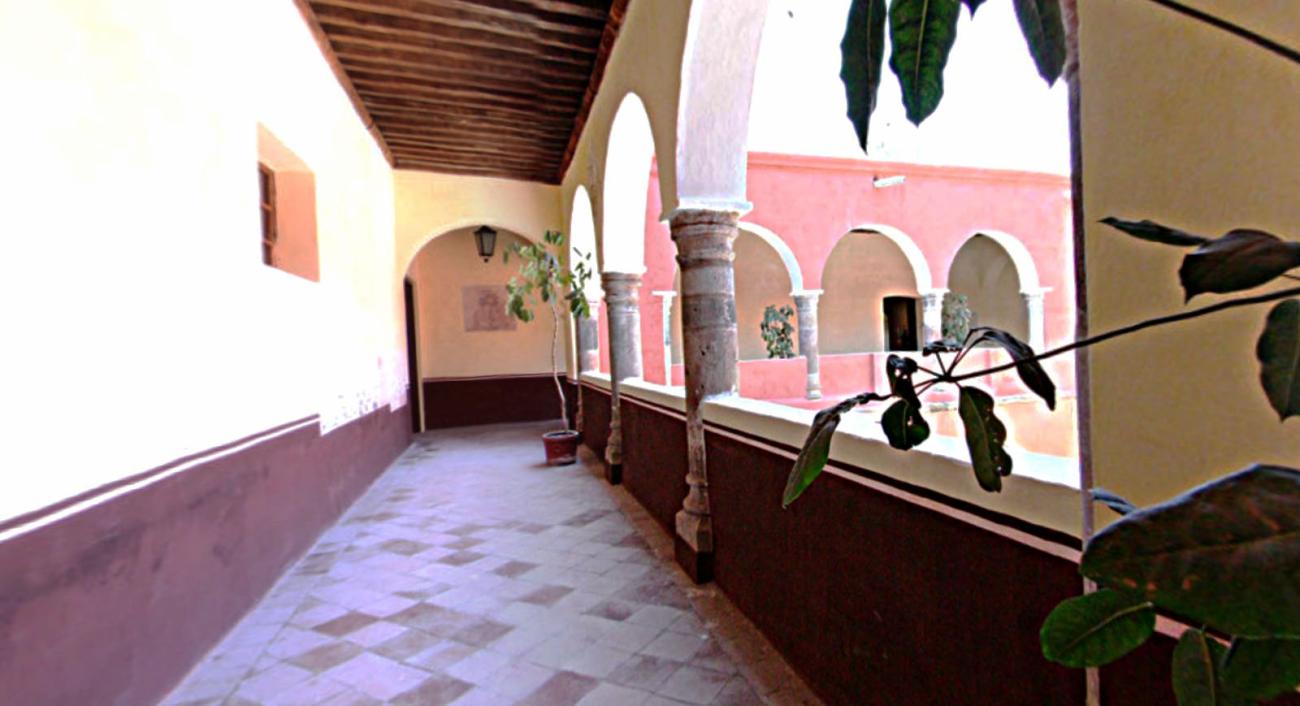

Lower Cloister
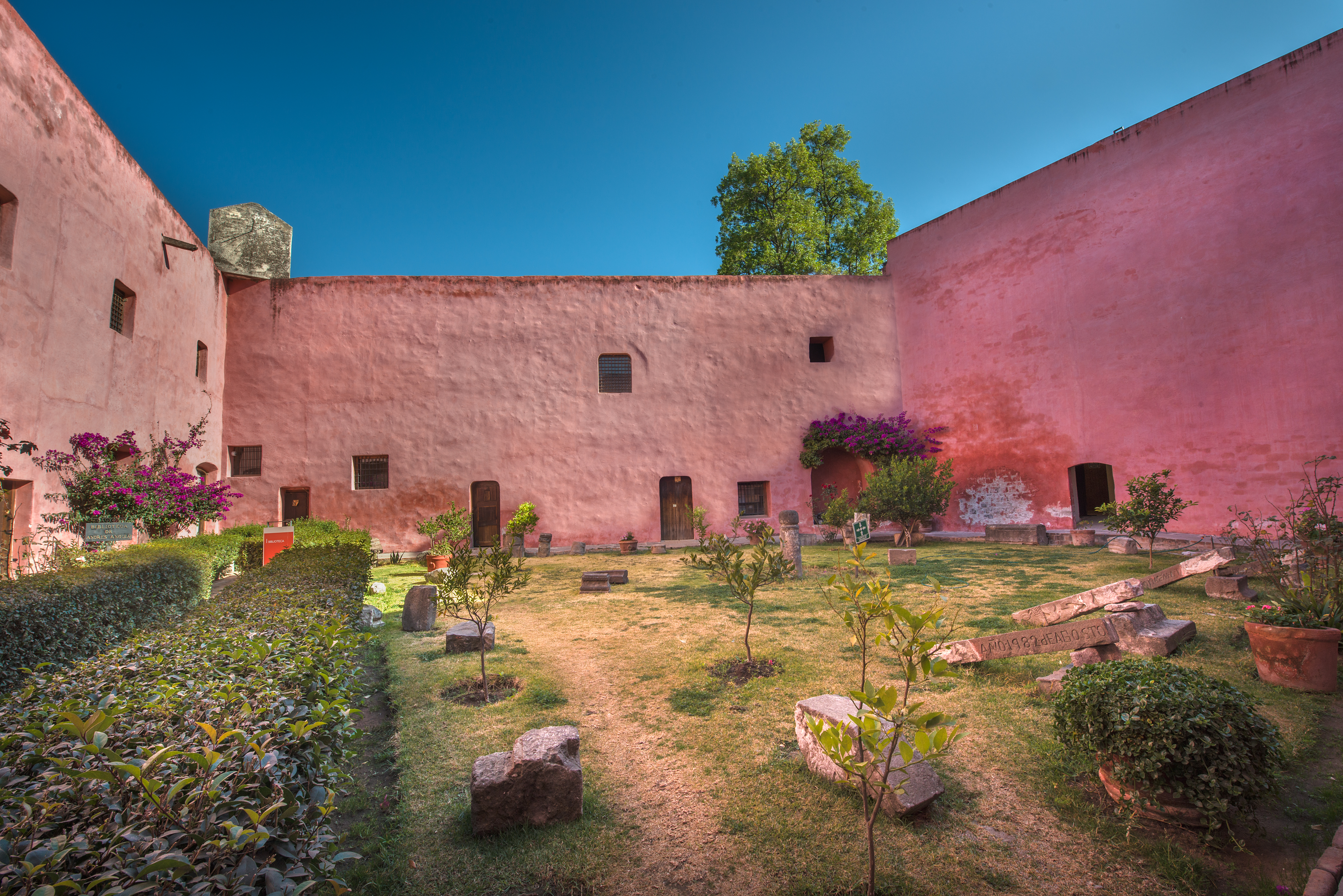
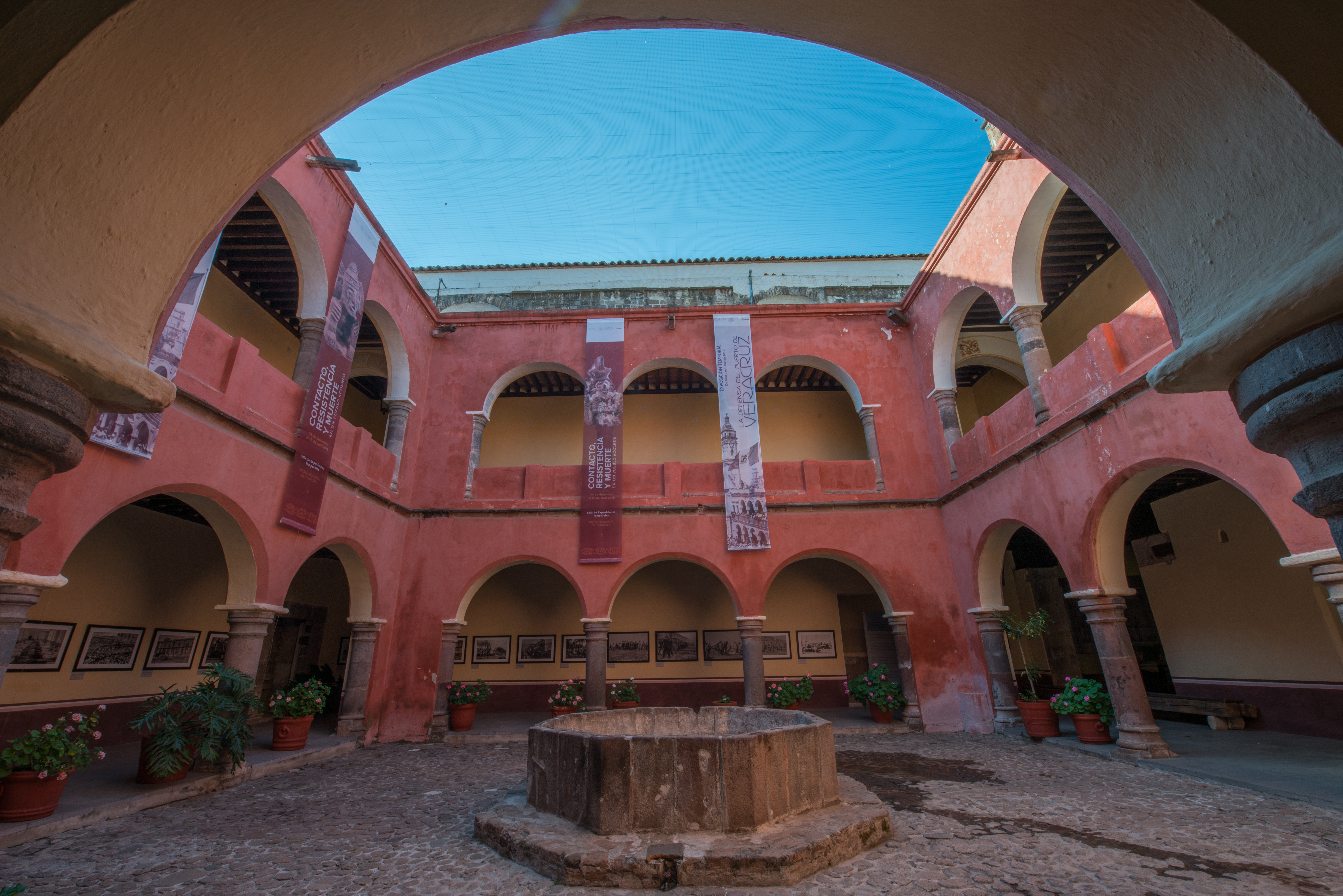
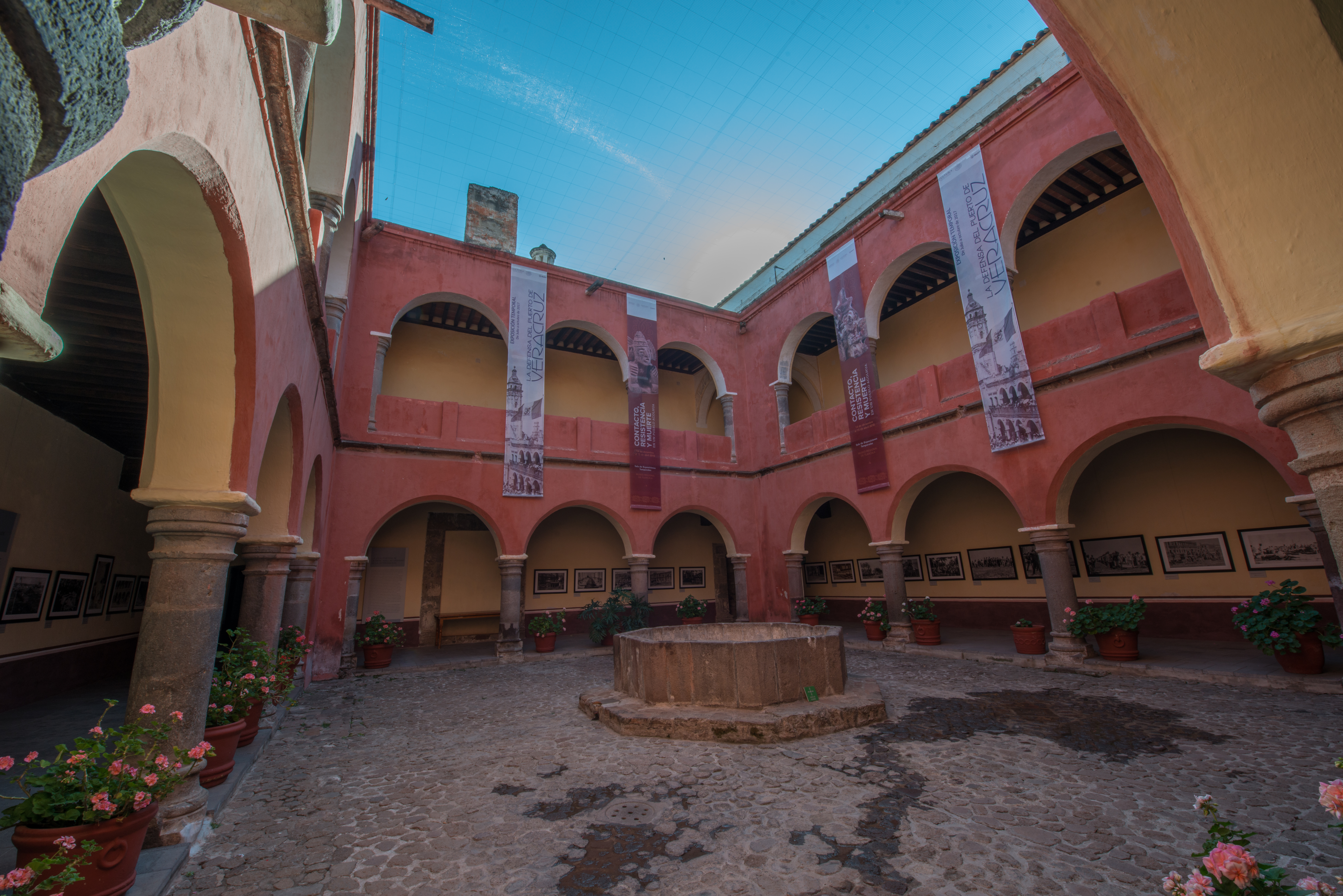
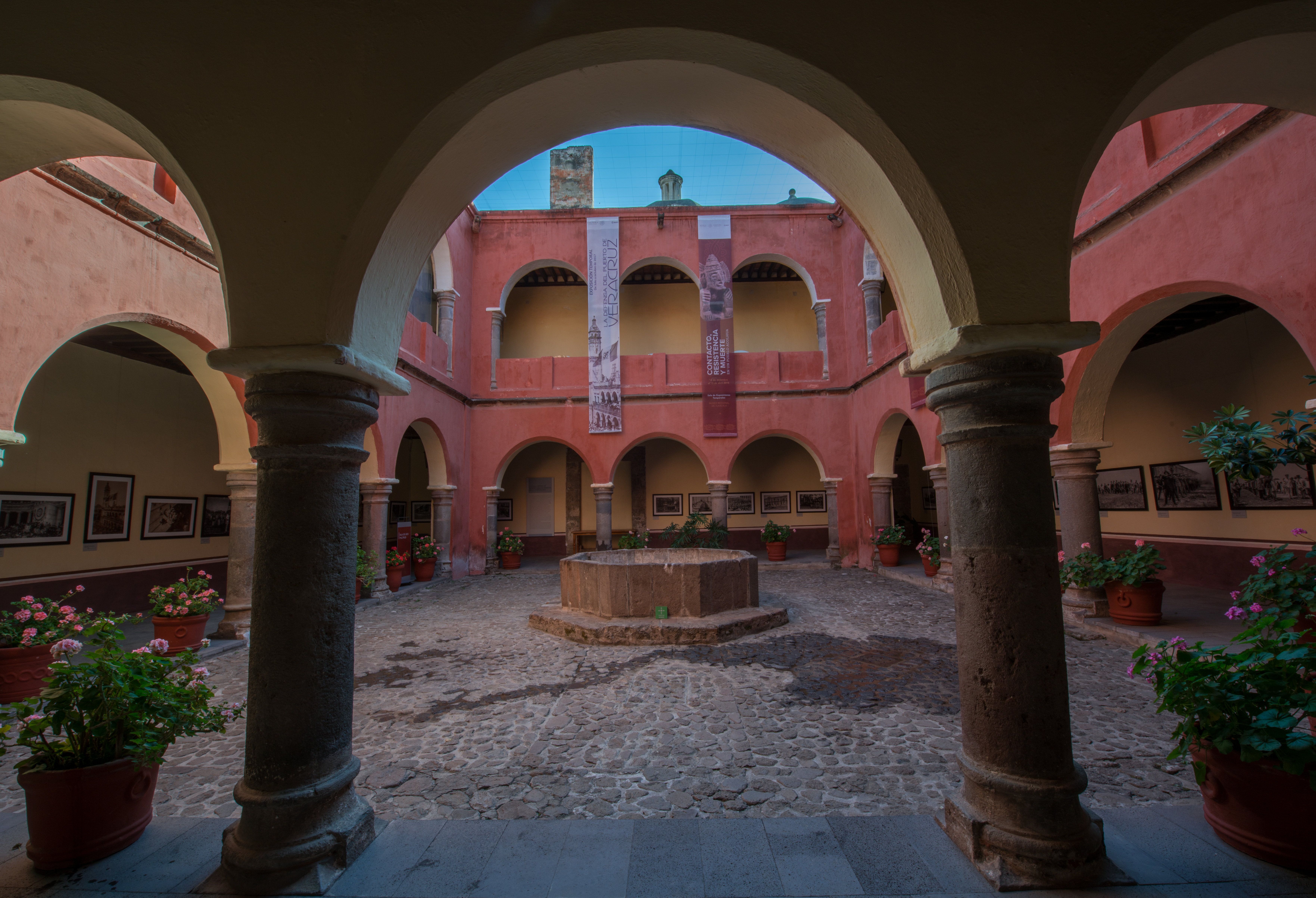
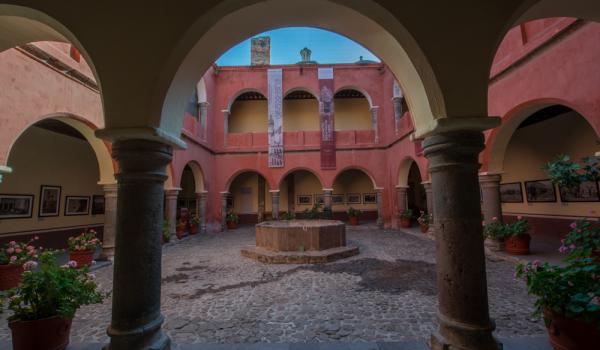
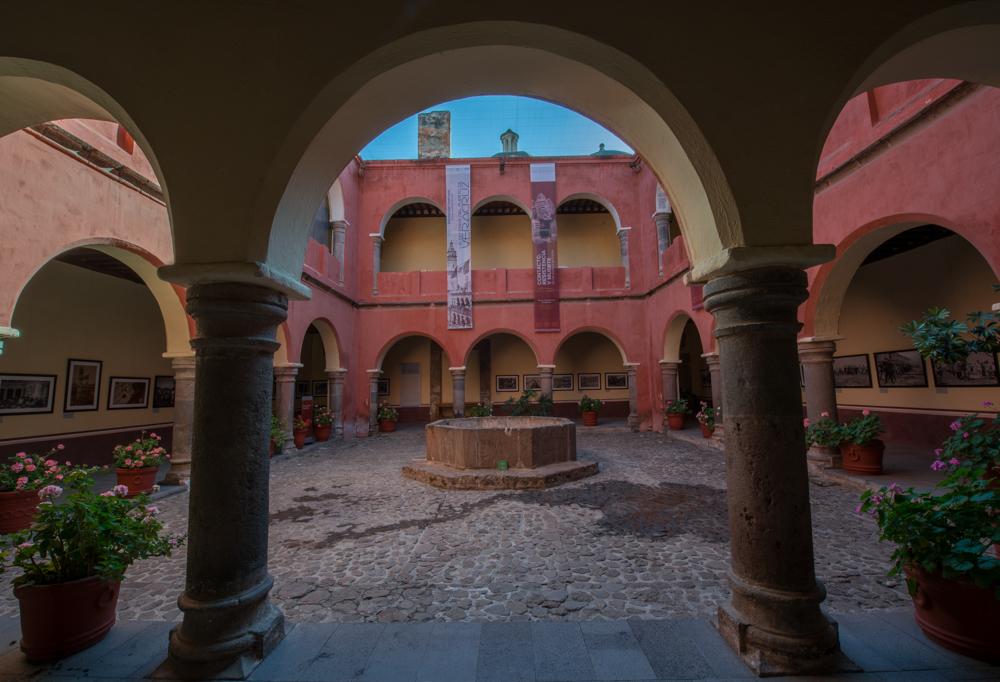
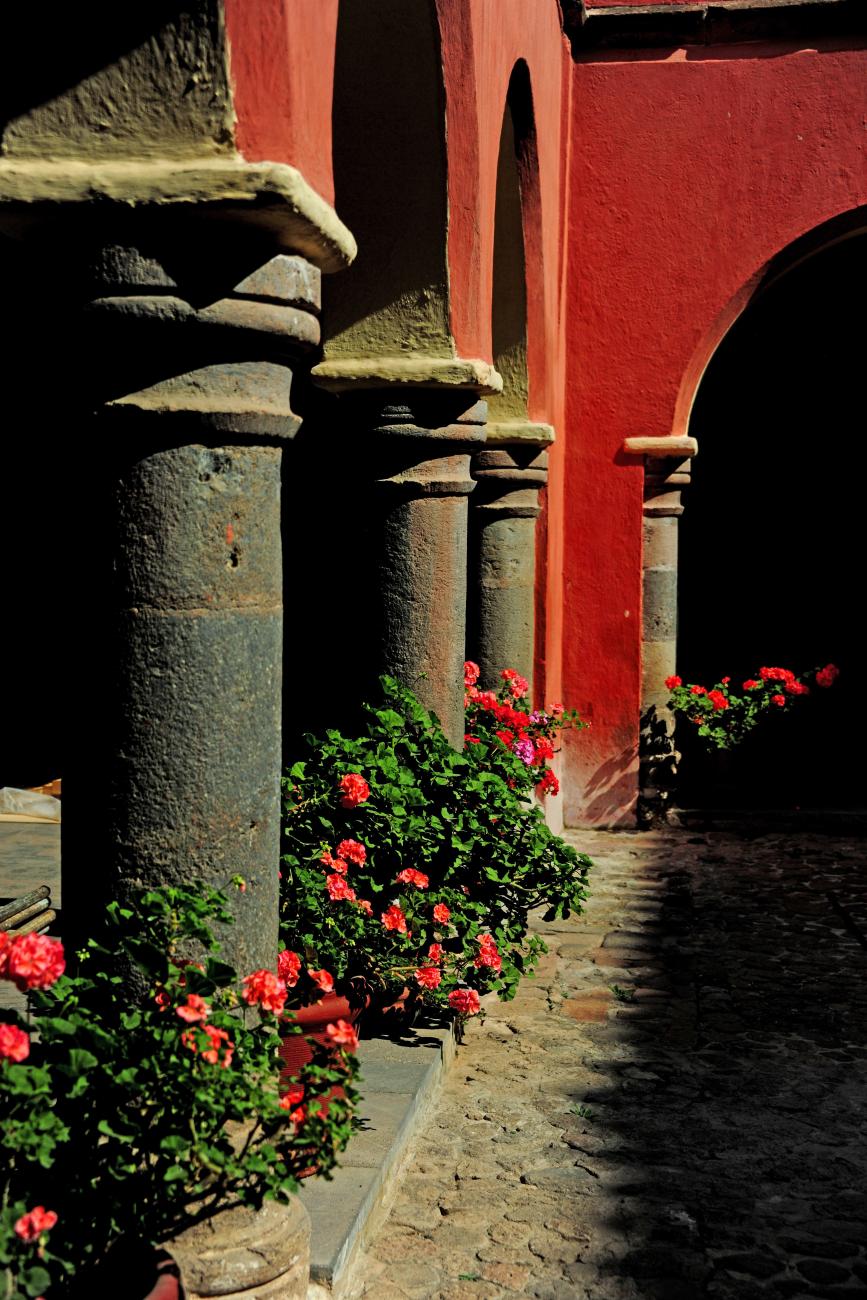
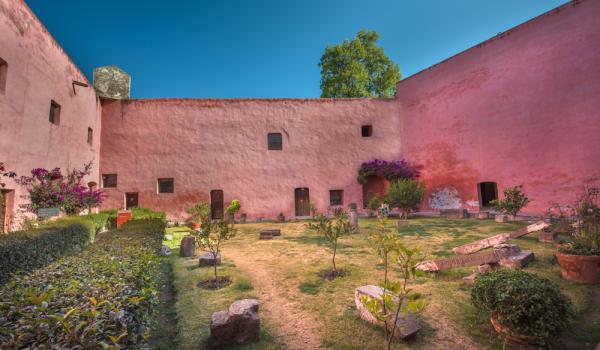
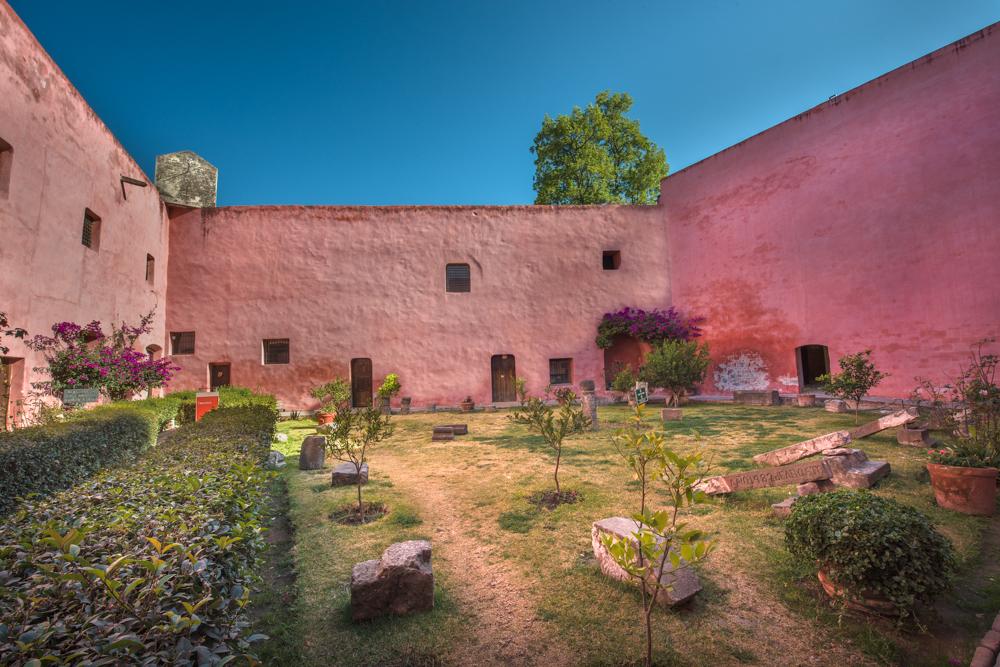
This is the central courtyard of the former convent, once surrounded by an arcade where friars engaged in meditation. It featured an eight-sided fountain and orange trees. The layout of the space has been preserved, though the plants are now kept in pots.
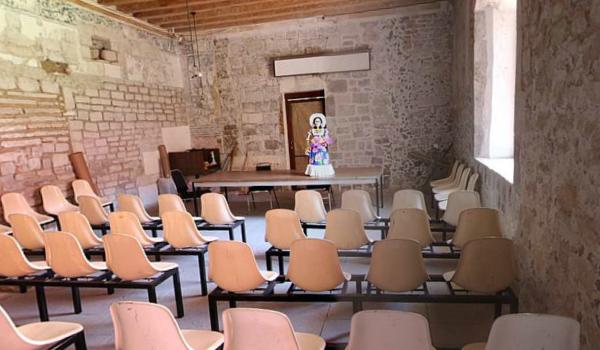
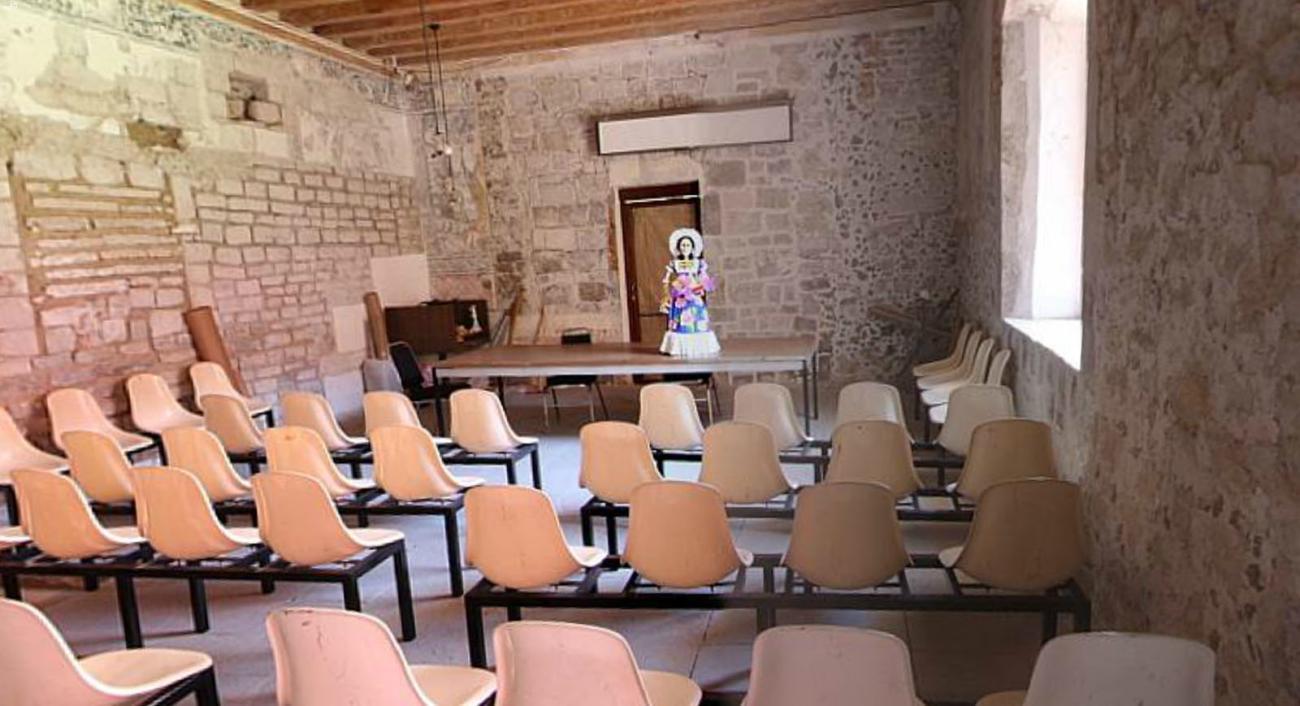
Multipurpose Room
This space offers a glimpse into the building’s construction system and includes fragments of mural paintings that reference its historical past.

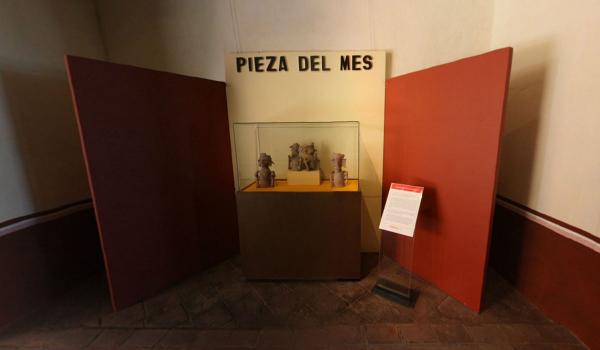
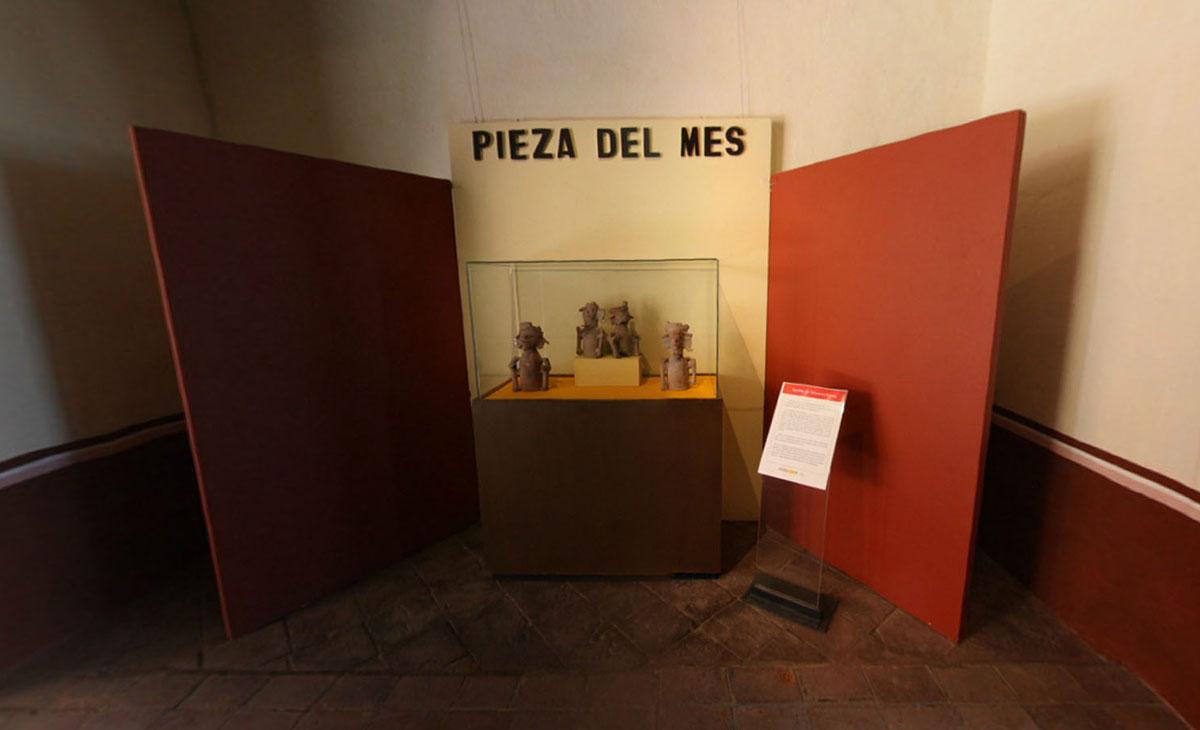
Vestibule
This area is used to exhibit a featured piece from the museum’s collection that is not normally on display. Occasionally, the chosen piece relates to a historical event commemorated that month.
Document
- DirecciónDiego Martín Medranodiego_martin@inah.gob.mx+52 (246) 462 0262


Sabores y saberes
2023